
Common Misconceptions About Remote Notarization in Texas


Understanding Remote Notarization
Remote notarization has become increasingly popular in Texas, offering a modern solution for notarizing documents without needing physical presence. However, there are several misconceptions that can lead to confusion. Let's explore some of these misunderstandings to provide clarity.

Misconception 1: Remote Notarization Is Not Legal in Texas
One common misconception is that remote notarization is not legally recognized in Texas. In fact, it has been legal since 2018. The Texas government has established clear guidelines to ensure that remote notarizations are just as valid as traditional in-person ones.
Remote notarization allows individuals to have their documents notarized via audio-visual technology. This means you can complete the process from the comfort of your home or office, provided you have a stable internet connection.
Misconception 2: It Compromises Security
Another frequent concern is that remote notarization may compromise the security of sensitive documents. However, remote notarization platforms are designed with robust security measures. These include identity verification processes, encrypted communication, and detailed audit trails.
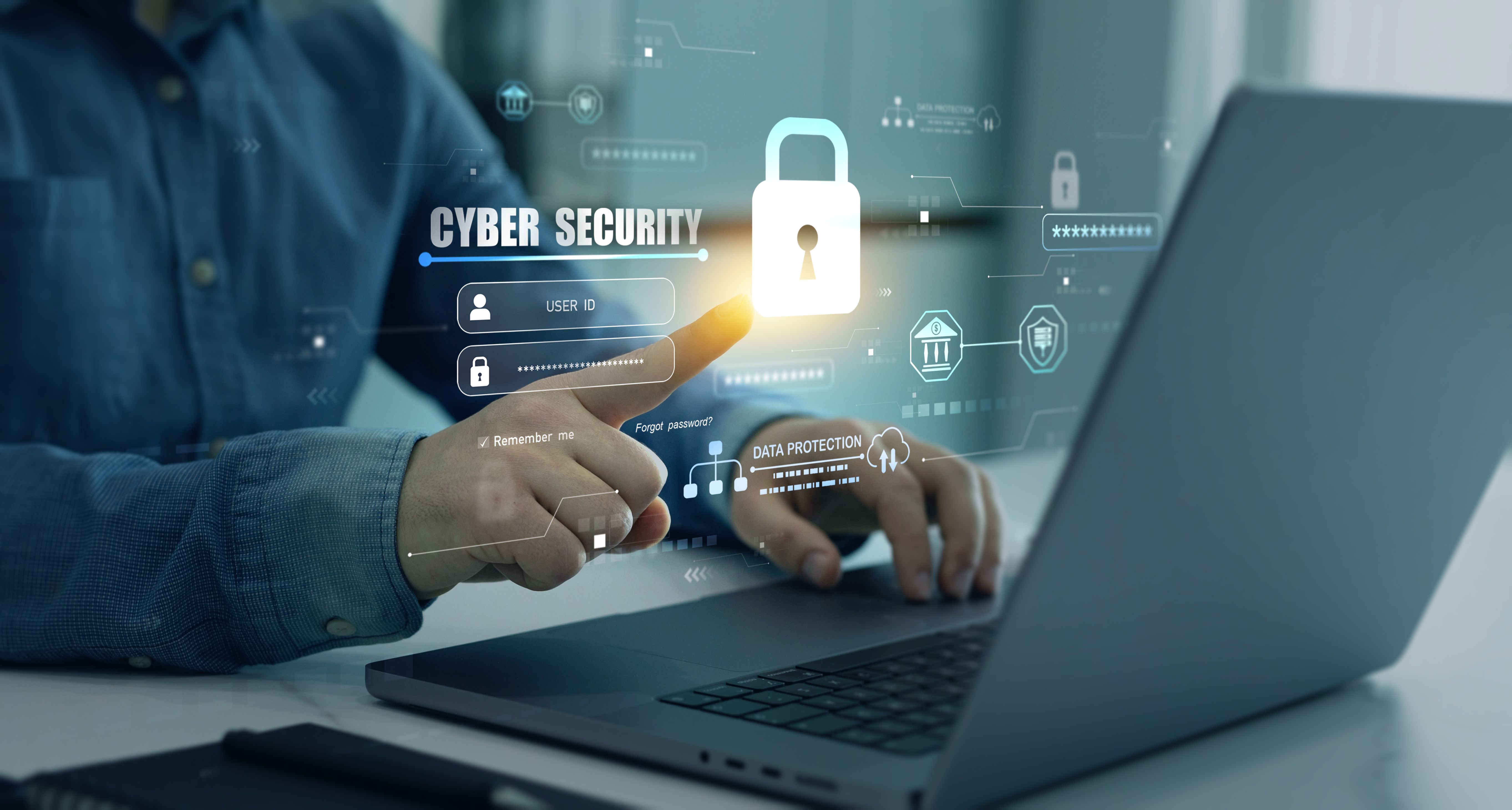
Notaries must adhere to strict guidelines and use approved platforms to conduct remote notarizations, ensuring that your documents are protected throughout the process.
Misconception 3: Remote Notarization Is Complicated
Some people believe that remote notarization is a complex process. On the contrary, it is designed to be user-friendly and efficient. Here's a simple breakdown of the steps involved:
- Choose an approved remote notary service.
- Upload your document to the platform.
- Verify your identity using a government-issued ID.
- Meet with the notary via a video call.
- Sign the document electronically.
- Receive a notarized copy.

Misconception 4: It Is More Expensive than Traditional Notarization
While there may be some additional fees for the convenience of remote notarization, these are often offset by the savings in time and travel costs. Many find the cost to be reasonable, especially when considering the ease and efficiency of the process.
Moreover, the competitive market for remote notarization services helps keep prices accessible for most users.
Misconception 5: It Is Not as Reliable as In-Person Notarization
Lastly, some believe that remote notarization lacks the reliability of in-person notarization. However, the legal framework and technological safeguards ensure that remote notarizations are just as reliable and enforceable.
In Texas, remote notaries are required to keep a digital record of each transaction, adding an extra layer of accountability and transparency to the process.
Understanding these common misconceptions can help individuals and businesses make informed decisions about utilizing remote notarization in Texas. Embracing this modern approach can save time and enhance convenience without sacrificing security or legality.